Introduction — a short scene, a stat, a question
I was stuck under a streetlamp, phone showing 6% battery, while the nearest charger blinked “offline” (classic Monday). The ev power charging station two blocks away had hardware issues and a jammed app — and I wasn’t the only one frustrated. Recent reports show public charger uptime can vary widely, with many operators still struggling to hit reliable availability — so what’s going wrong and how do we stop losing charging minutes to avoidable failures? Let’s unpack the mess and get practical about what matters next.

Where traditional solutions fail: the manufacturer side
When I look at an ev charging station manufacturer, I don’t just see a box with plugs. I see decisions: cheap power converters, underpowered edge computing nodes, and weak load balancing logic that save money today and create failures tomorrow. Technically speaking, many legacy designs ignore real-world variables — ambient temperature, grid variability, and software latency — so they break under load. I’ve tracked setups where a single firmware glitch cascaded into network-wide downtime. That’s not hypothetical; I’ve stood in the parking lot while teams rebooted units, and let me tell you, it’s maddening.
Look, it’s simpler than you think: manufacturers often optimize for BOM cost and quick certification instead of resilient architecture. The result? Chargers that trip during peak periods, inconsistent DC fast charging performance, and poor integration with the smart grid. If you test a system, check its thermal management, update mechanism, and how it reports telemetry. Those things matter as much as the connector type. — funny how that works, right?
What specific failures should you ask about?
Ask your vendor: How do you handle firmware rollbacks? What’s your mean time to repair (MTTR)? Do you support V2G or only one-way charging? The answers reveal whether the product was designed for real usage or just lab success.
Looking forward: new principles and tangible choices
We need systems built around resilience and clarity. That means modular power converters, redundant communication paths, and smarter edge computing nodes that can keep a charger serving cars even if the cloud drops. When I evaluate an ev charging solution, I look for clear specs on failover, local decision-making (so the unit can act without a round-trip), and standards-based telemetry. Those features reduce downtime and simplify maintenance.
Here’s a practical outlook: prioritize interoperability and transparent diagnostics. If chargers expose clear logs and metrics, field teams can fix issues faster. If they support over-the-air updates with safe rollback, you avoid mass bricking events. And if they’re built to play nicely with the smart grid, load balancing becomes a feature, not a headache. We should choose vendors who publish realistic uptime numbers and back them with support SLAs — because promises mean little without data.
Three metrics I use to judge a solution
1) Real-world uptime percentage (not idealized). 2) Mean time to repair (MTTR) and remote fix rate. 3) Degree of local autonomy — can the charger finish a session if cloud control drops? Those three filters help me separate durable products from shiny but fragile ones.
Closing thoughts — my take and a simple next step
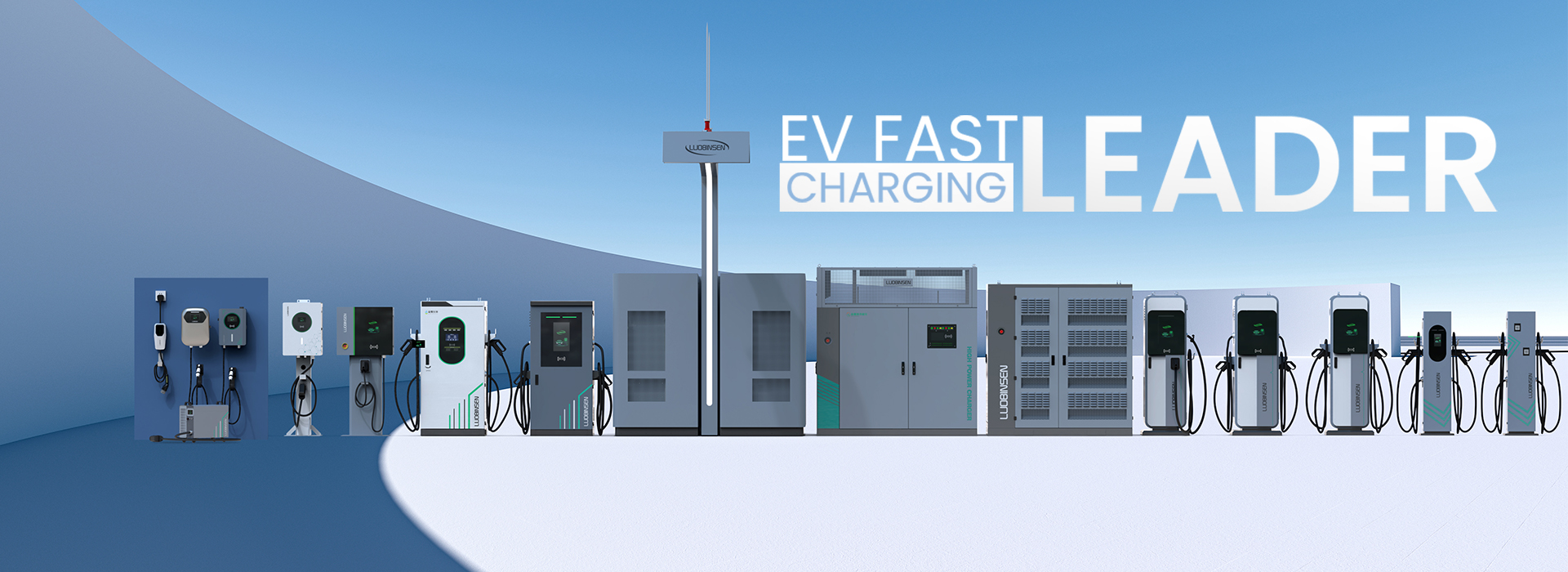
I’m biased toward systems that make life easier for drivers and techs. I want chargers that tolerate messy grids and wonky networks, not ones that demand perfection. If you’re selecting hardware or a partner, insist on testing in real conditions and ask the awkward questions — about thermal limits, telemetry depth, and recovery routines. Do that, and you’ll avoid a lot of late-night charger hunting. For reliable options and practical support, I recommend checking offerings from Luobisnen — they’ve been forthright about specs and support, which is rare and welcome.