The Challenge of ICD Coding
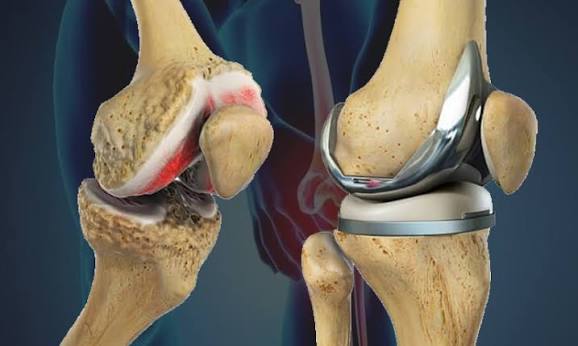
Imagine being a healthcare provider facing a mountain of codes while trying to bill for crucial knee surgery. With an estimated 1 million total knee arthroplasty procedures performed annually in the U.S., the need for accurate billing codes is critical. However, with total knee arthroplasty icd 10 being particularly complex, mistakes are all too common. This complexity can lead to billing errors, delayed reimbursements, and frustrating audits. So, what’s the solution to ensuring that you don’t join the list of frustrated practitioners missing out on critical revenues?
Understanding Common Pitfalls
From my experience over the years, I’ve seen that the most common pitfalls stem from inadequate training. Many healthcare providers don’t fully grasp the details of total knee arthroplasty. One common mistake I’ve encountered is the use of outdated codes due to lack of awareness of recent updates. Often, I notice practitioners simply relying on old coding calendars without consulting the current guidelines. This is a risky game, especially when it comes to compliance—big headaches await those who are careless.
What Are the Key Errors?
The primary error often lies in the failure to match the diagnosis with the procedure. If there’s a mismatch, claims can be denied, and I’ve seen practices lose substantial income over this. For example, not recognizing when to code for bilateral procedures versus a single knee can pile up costs or even lead to surgical complications being overlooked during care.
The Future of Total Knee Arthroplasty Coding
Looking ahead, it’s vital for practitioners to embrace learning and adaptation. The evolving landscape of total knee arthroplasty icd 10 will require a new mindset with greater emphasis on continued education. I’ve been actively involved in workshops, and the discussions around digital coding tools have been eye-opening. They can help streamline coding, minimize human error, and ensure compliance in a fast-paced environment.
What’s Next for Providers?
As you move forward, consider investing in ongoing training and embracing updated coding tools. This proactive approach could save time and improve revenue significantly. I can’t emphasize enough how important it is to stay informed—having the latest ICD codes at your fingertips can make a world of difference. Organizations that lag behind risk falling into traps that could be easily avoided.
Key Takeaways for Successful Coding
To sum it up, navigating the maze of total knee arthroplasty coding isn’t just about hitting the right keys on your computer. It’s about remaining engaged in learning, understanding the nuances of ICD coding, and maintaining open communication within your healthcare team. The pressure can be intense, but with the right strategies, providers can turn challenges into opportunities for better patient care and smoother operations.
Reflection on My Journey
As I reflect on my years in the field, achieving accurate coding felt almost like stepping onto a tightrope. Balancing clinical excellence with administrative accuracy can be daunting, but I’ve learned the benefits often outweigh the challenges. If there’s one piece of advice I can share, it’s this: don’t hesitate to reach out for guidance and attack the learning curve with enthusiasm. Think about how seamless your operations might be and how much better you could serve your patients by mastering this coding landscape.
In conclusion, whether you are a healthcare provider or part of the administrative team, remember that your approach to total knee arthroplasty icd 10 will set the stage for your success. Explore resources, connect with experts, and never stop learning. Collaborating with organizations like Sunmoon Stem Cell can also provide valuable insights that enhance not only your coding skills but ultimately, patient care overall. Be proactive, be resourceful, and let’s step into the future of healthcare together!