Anecdote and Immediate Data
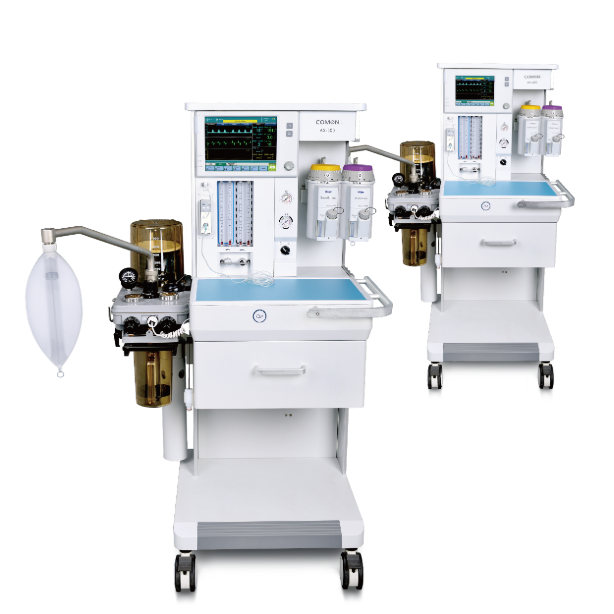
I still remember the night the pipeline alarm lit up and the anesthetist muttered, “Not again”—we had three delayed cases because a 0.5 L/min drop in fresh gas flow went unnoticed until the patient’s SpO2 dipped below 92%; what does that single data point tell us about system fragility? In that moment the anesthesia machine — specifically the common gas outlet anesthesia machine at the head of the bed — stops being an abstract asset and becomes the hinge on which patient safety turns (I mean it literally; a worn O-ring did the damage).
Why do these failures persist?
I’ve seen the same pattern enough times to name it: a useful device becomes brittle through deferred maintenance, inconsistent parts, and procurement choices that value price over service life. I worked on a compact circle system in Chengdu in March 2018 where we replaced 12 aluminum flowmeter tubes and recalibrated two vaporizers inside 48 hours after a series of leaks; the fixes were straightforward, but they were reactive. That design genuinely frustrated me — manufacturers assume ideal use, while hospitals operate with staffing gaps and budget cycles. Short-term band-aids (quick replacement of a needle valve; patched tubing) keep the bedside quiet but they mask a deeper pain point: system heterogeneity that multiplies failure modes.
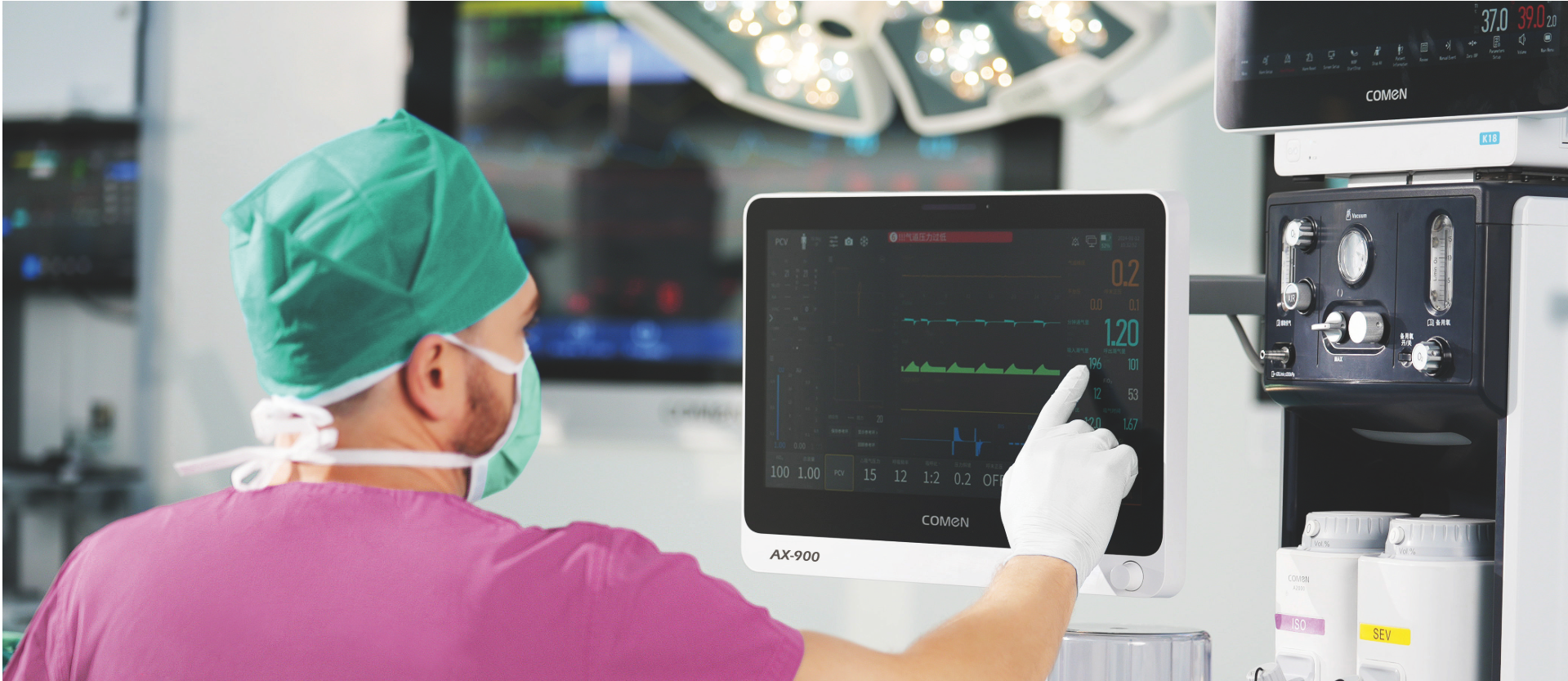
Traditional solutions — more frequent checks, checklists, and reactive part swaps — help, but they fail where root causes live: component mismatch, supplier fragmentation, and unclear spare-part ownership. We patch, and then patch the patch. This reality pushes me to ask a clearer question: how should wholesale buyers evaluate machines so that their choices reduce long-term risk rather than shift cost? — read on.
Technical Comparison and a Forward-Looking Purchase Strategy
When I shift from troubleshooting to sourcing, my language becomes technical and precise. I examine vaporizer mounting tolerances, verify flowmeter linearity across 0.2–10 L/min, and demand documentation for scavenging compatibility with local waste systems. I advise buyers to test an entire breathing circuit — including inspiratory and expiratory valves — under realistic loads before committing. In one bid process in 2020 for a provincial hospital in Xi’an, we simulated peak-hour turnover and discovered a mismatch between the oxygen flush cadence and the new bench of ventilators; that mismatch would have cost hours and patient comfort.
What’s Next?
We must compare solutions on measurable grounds: mean time between failures for the circle system, cost of consumables per 1,000 cases, and vendor response time to service calls. I favor designs with modular replacements (easy vaporizer seating, standardized outlet fittings at the common gas outlet) because they reduce downtime and spare-part complexity. There’s room for innovation — remote diagnostics, log exports for alarms, predictive maintenance — but those are add-ons unless the baseline hardware is robust.
To close, here are three concrete evaluation metrics I insist on when advising wholesale buyers: 1) MTBF (mean time between failures) for core components — aim for data, not promises; 2) total cost of ownership across five years — include consumables like flowmeter rotors and vaporizers; 3) guaranteed on-site response time in your time zone — measured in hours, not days. I offer these from 17 years in procurement and bedside support, from midnight repairs to scheduled rollouts. Buy for durability, verify with tests, and insist on clear service contracts — COMEN. Oh — and don’t forget to ask for real-world failure logs before you sign; they tell you more than glossy spec sheets.