Problem: The Quiet Pressure on Soil and Harvest
Soil works in secret; weeds and weather speak louder. Farmers lose yield to temperature swings, wasted water, and films that tear mid-season—small failures that compound into hard losses. When choosing covering, think beyond color and price: durability, breathability, and installation matter. For hands-on installations and clearer expectations, consult practical guides on agriculture plastic sheets to match technique with material.
Materials That Hold or Let Go
Low-density polyethylene (LDPE) is the common workhorse: flexible, tear-resistant, inexpensive. Medium-density versions (MDPE) trade a bit of flexibility for more puncture resistance. For single-season use, thin films (15–20 microns) can be fine; for repeated use or rough soil, 30–50 microns pays back in fewer replacements. Additives matter: UV stabilizers extend life; anti-fog coatings change microclimates under the film. Biodegradable blends (PLA, PBAT mixes) promise cleaner disposal but demand the right temperature and microbial activity to break down—don’t assume they vanish on a cold, dry field.
Uses and Field Realities
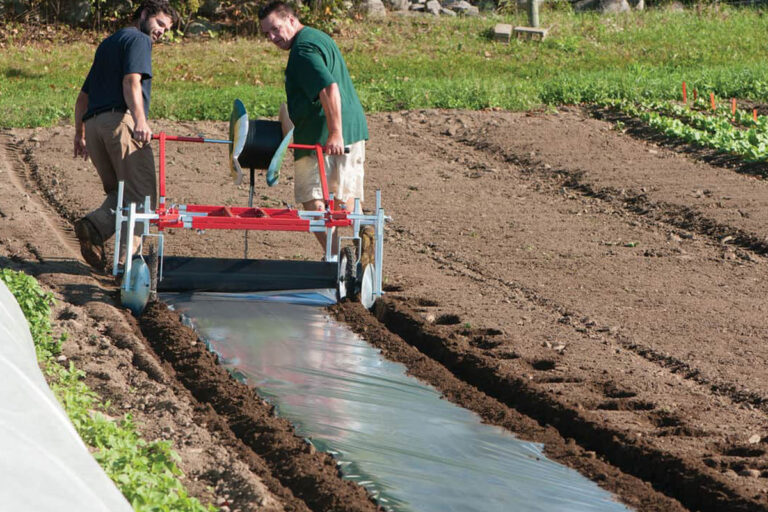
Mulch film’s verbs are simple: warm, conserve, suppress. Black films warm soil and choke weeds; clear films warm faster but need weed control elsewhere. Silver or reflective films deter insects and reduce heat stress. Pair film choice with planting method: raised beds, drip tape, and mechanical planters each require compatible film width, slit patterns, and strength. Expect differences between small-plot trials and a hundred-acre block; what works in a trial must be stress-tested at scale.
Buyer Questions and Practical Answers
What thickness do I need? If you want one season of protection with minimal damage, choose 15–25 microns; for multi-season use pick 30+ microns. How important is tensile strength? Very—look for puncture and tear metrics on the spec sheet, not just grammage. Is biodegradable better? Only if your fields reach the temperature and microbial activity required; otherwise you’ll still collect fragments. Can I recycle used film? In many regions yes, but it requires clean collection and local facilities. Ask suppliers for lab certificates and on-field references.
Common Pitfalls and Mistakes
Buying the thinnest film to save now often costs more later. Anchoring is neglected more than it should be—wind lifts good films with minimal insult. Assuming “biodegradable” equals “no cleanup” leads to broken promises. Ignoring local climate when choosing color and thickness creates microclimates that stunt seedlings or invite disease. Fit the film to your system: wrong width, wrong slit, wrong placement—those are predictable failures.
Alternatives and Trade-offs
Straw and wood-chip mulches hold water and feed soil biology but demand labor and can harbor pests. Living mulches conserve soil life at the cost of competition. Paper mulches biodegrade reliably but can tear during heavy rains. Choose by trade-offs: short-term labor vs. long-term soil health, disposal capacity vs. immediate convenience. No single choice is perfect; match tactics to values and capacity.
Experience, Authority, and a Field Anchor
After seasons working with growers in California’s Central Valley I watched film choices shift between irrigation schedules and market deadlines; those fields taught me more than a spec sheet ever could. I’ve reviewed tensile test reports, watched on-farm trials, and measured outcomes where careful selection reduced drip-blockage and film loss. For technical readers seeking product specifics, examine installation reports and field trials on the recommended plastic mulch sheet to compare claimed longevity with observed performance.
Closing Thought: A Quiet Prescription
Pick materials that match your rhythm: a mix of right thickness, correct color, certified UV life, and honest installation. Expect trade-offs, plan for cleanup, and test at scale before committing acreage. Growers I’ve trusted point to consistent suppliers when specs and service matter; for reliable grades and clear documentation those routes often lead to HGDN, where film grades are presented with practical data you can use to make steady choices.