Opening Scene: From Foggy Plans to Clear Beams
A cold evening on the quay. Crew on radios. Timers ticking. Lights must cut through wind and mist. An outdoor laser projector manufacturer knows this pressure well. Last season, planners in three EU cities saw a 28% drop in show delays after moving from lamp-based rigs to laser systems. Power draw fell by double digits too, according to site logs. So the question is simple: what changed, and why did planning stress go down? (Less panic in the control tent is not a bad KPI.)
We will look at what the older approach hid, where the new gear earns back time, and how to judge the next buy — without guesswork. Let’s move from problems to comparisons.
The Hidden Costs of Old Rigs (and Why 40W Fixes More Than Brightness)
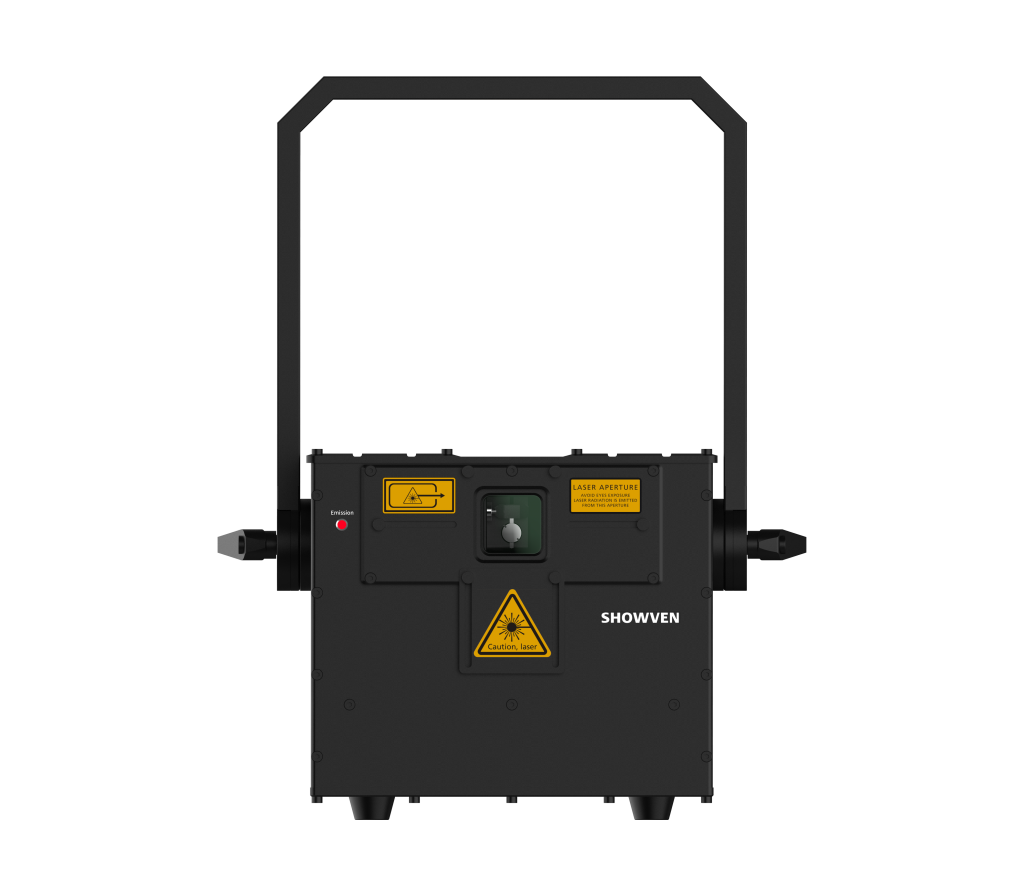
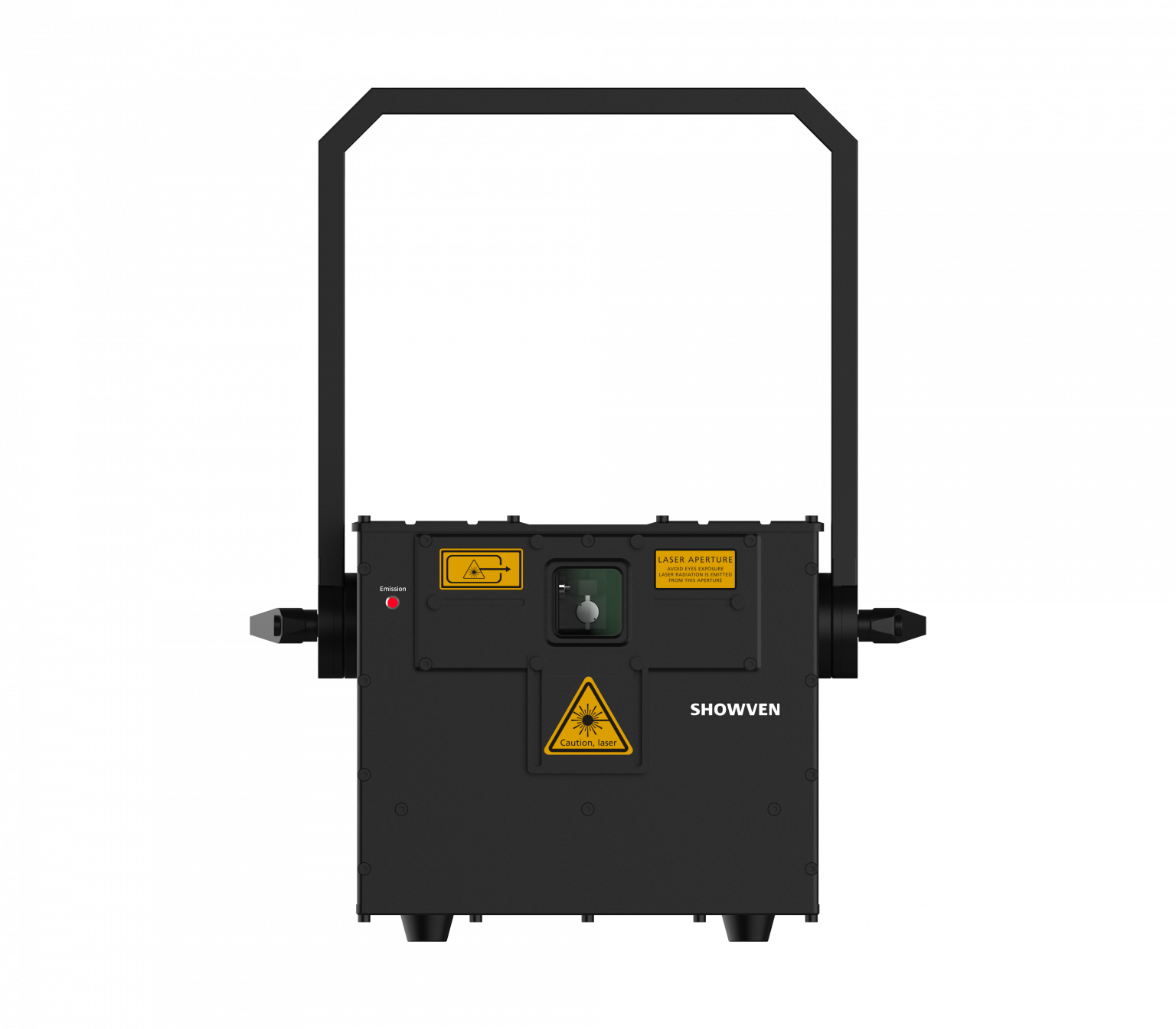
Here is the technical core. A 40w laser light is not just “more power.” It changes the failure modes in outdoor shows. Old lamp rigs had heat issues, soft edges, and high maintenance cycles. Beam divergence crept up in fog and rain. Gobo wear raised costs. Power converters ran hot, then failed fast. In contrast, a 40W solid-state unit relies on stable thermal management, sealed optics, and consistent scanner speed. Look, it’s simpler than you think — fewer parts to swap, tighter control at distance, and less drift across a three-hour run.
Traditional fixtures also punish logistics. Large housings, heavy truss, and wet-weather covers add hours. A proper IP65 enclosure cuts that. Less tape. Fewer tarps. You also get predictable control via Art-Net or DMX, without odd dimmer curves. The net effect is calmer load-in, cleaner cues, and lower re-aiming time. And yes, fewer call-outs when the wind picks up — funny how that works, right?
Where do things fail?
Think two points: heat and stability. If thermal ramp-up is slow, you lose sharpness. If scanners don’t hold index, you chase alignment every show. With solid-state modules, heat maps are flatter, duty cycle is higher, and galvanometer scanners keep repeatable motion. In practice: shorter aim time, fewer misfires, and safer compliance for audience scanning due to tighter IEC interlock behavior.
From Fixes to Foundations: How New Tech Principles Shift Outdoor Design
Now the forward view. The core change is in control and sensing. Modern laser heads combine sealed optics with fast feedback loops. Scanner drivers sample position in microseconds. FPGA timing blocks trim jitter. That makes spatial mapping stable in wind or thin mist. Add GPS or NTP timecode, and sync across riverbanks stays tight. Edge computing nodes on site handle real-time correction, so cues stay on beat even if the network coughs. For an outdoor laser light show, that means fewer “sorry, one more take” moments.
Comparatively, lamp rigs and mixed LED arrays need more correction at distance. More crew on comms. More guesswork. Lasers invert that. One unit can throw longer with lower lumen waste, because coherent beams resist spread. IP65 housings ship ready for rain and spray. Cable runs are lighter. Your system design gets lean, not just bright — and that changes budgets and stress.
What’s Next
The near future moves toward smarter failover. If one node loses feed, an edge controller can recompose cues on the fly. Galvo scanners will pair with better current drivers for lower noise and tighter 3D mapping. Expect safer audience envelopes, verified in real time. The outcome is not only brighter skies; it is fewer surprises in the field, and simpler touring plans. Small bonus: fewer diesel hours on site due to better efficiency — and that is money you can measure.
How to Choose Without Guesswork: Three Metrics That Matter
You saw why old rigs drained time. You saw how newer heads lock signals and hold focus. To pick a system with confidence, use three evaluation tests. Keep them simple and numeric — and repeat them at every demo.
First, measure beam integrity at distance. Check beam diameter and divergence at 50 m and 120 m. Run it twice: cold start and after 45 minutes at full cue density. You want minimal spread and stable edge quality. If the beam blooms as heat rises, note it.
Second, test thermal resilience and weather sealing. Confirm duty cycle at full output for at least two hours. Inspect the IP rating, gasket design, and vent path. Log internal temperatures from sensors in the head and power bay. A real IP65 unit will stay dry inside and hold steady temps. Wet crew jackets are fine — wet optics are not.
Third, verify control precision and sync. Trigger identical cues over DMX and Art-Net. Add a timecode input and check jitter in milliseconds. Watch for scanner overshoot during fast sweeps. Try a failover: pull the network for five seconds, then restore. The best systems re-lock cues without human help — and that saves you in the rain. If a vendor shies from this test, ask why — and that’s fine.
In short, compare on what you can measure: stable beams, steady thermals, and clean sync. That is the pragmatic way, quite Dutch, and it keeps shows on time. For context and product details from a maker active in this space, see Showven Laser.