Booting Up the Truth: Why Controllers Decide the Game
You roll a robot onto the floor at 3 a.m., pallets stacked, lines buzzing, and then it happens: a tiny control hiccup stalls the whole flow. An amr controller runs the routes, safety, and motion—and that tiny hiccup came from it. In bare terms, the controller is the brain that fuses sensors, runs SLAM, and pushes torque while a real-time OS keeps jitter down. The stakes are not “nice-to-have.” They’re everything. We’ve seen cycle times blow up by 12% from a few milliseconds of delay. That hurts budgets and morale (been there).
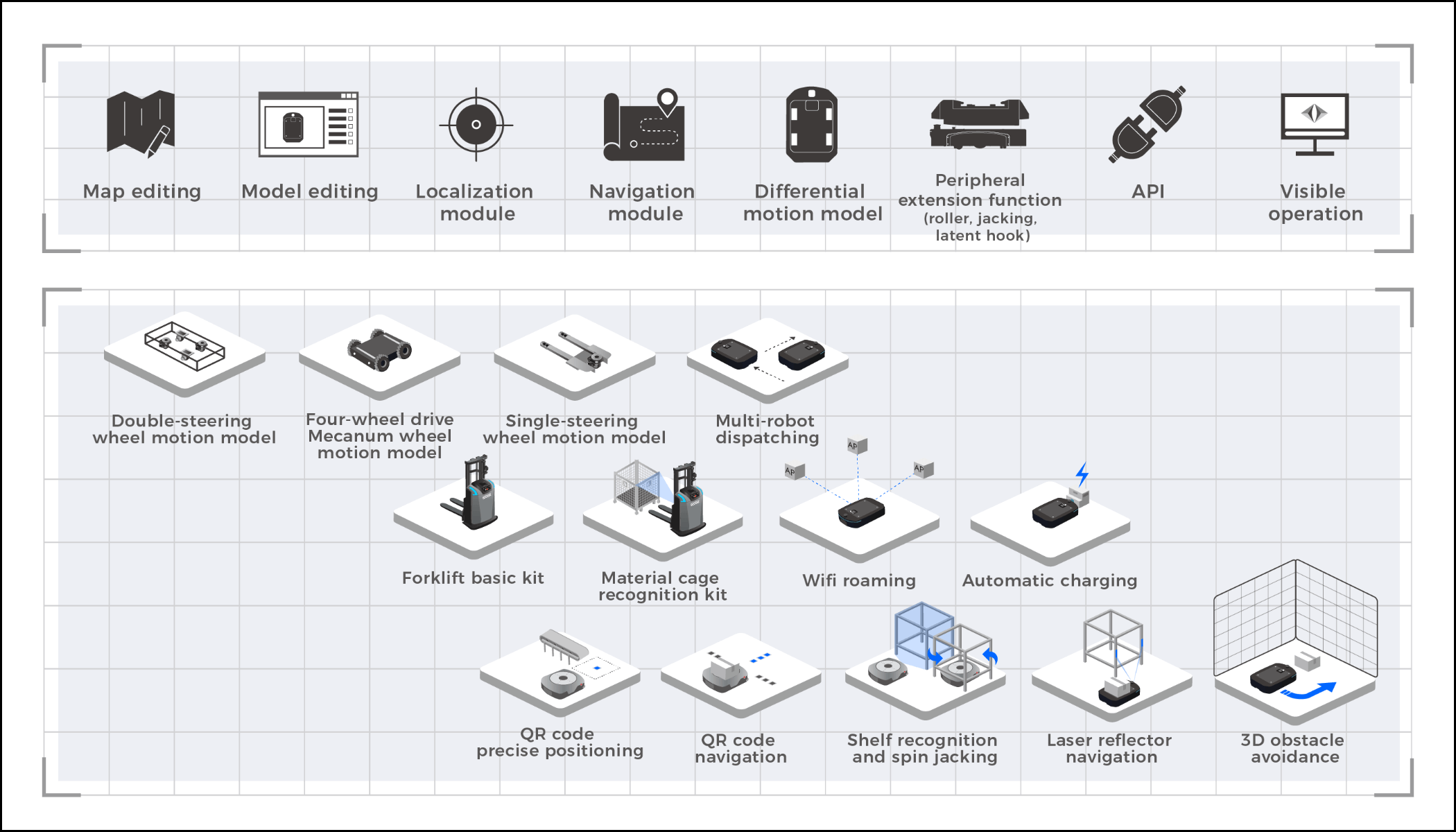
So here’s the question: what actually separates the good from the glossy? Specs look tight, demos look slick, but field data says otherwise. The answer lives in how controllers handle edge cases, not lab tests. We’re going to dig into that—no fluff, just the bits that move freight. Next up: the stuff no one tells you until it’s too late.
The Hidden Pains Behind a “Perfect” Spec Sheet
Why do “spec wins” fail on the floor?
Let’s call it out. A shiny datasheet won’t save you when dust, RF noise, and shift change chaos hit. A modern industrial robot amr controller must tame more than CPU graphs. The real killers are latency spikes on crowded Wi‑Fi, brittle sensor fusion when lighting shifts, and silent timeouts on fieldbus links. Legacy stacks lock motion, safety, and fleet logic into one blob. When one part stalls, the whole bot stalls. Edge computing nodes could offload perception, but old designs can’t coordinate that without blowing timing budgets. And power converters? If they sag under load, your trajectory planning jitters. Look, it’s simpler than you think: floor reality beats lab glory every time.
Then there’s service life. Closed firmware makes updates a weekend event. You wait, you pray, you roll back. Mean time to recover balloons. A controller that can’t do safe, atomic updates leaves you choosing between uptime and safety—bad choice. Cooling is another quiet flaw. A fan clogged with lint turns “real time” into “sometimes real,” and CAN bus faults start creeping in. Integration pain is real too. If the controller fights your PLC or MES, you end up writing glue code at 2 a.m.—funny how that works, right? All of this hides under those tidy benchmark bars you saw during the pitch.
Looking Ahead: Principles That Actually Fix the Grind
What’s Next
The next wave isn’t just “faster CPU.” It’s architecture. A well-designed industrial robot amr controller splits concerns: safety stays deterministic; motion runs in a hard real-time loop; perception and fleet logic run event-driven services with clear QoS. ROS 2 with DDS can enforce deadlines and priorities, while TSN keeps the wire predictable. That combo slashes jitter without killing flexibility. On the power side, smarter converters and thermal paths prevent droop, so torque stays clean under peak draw. Add containerized modules and you get safe, atomic updates—no drama, no midnight rollbacks. It’s not magic. It’s clean boundaries plus predictable networks (and yes, good housekeeping).
Compare this to the old stack. The legacy “monolith” wins in a quiet lab, then chokes on variable loads, glare, and operator traffic. The newer pattern isolates failure domains. If perception crashes, motion keeps a safe stop and recovers fast. If a map changes, SLAM swaps layers without nuking missions. You get real-time where you need it, and elasticity where you want it. Advisory takeaway: judge by outcomes, not slogans. Track three metrics—95th‑percentile end‑to‑end control latency under load; mean time to mission recovery after a fault; and integration hours to first pallet through PLC/MES. Those numbers tell the truth. The rest is just theater. For deeper engineering notes and controller design thinking, see SEER Robotics.