Introduction
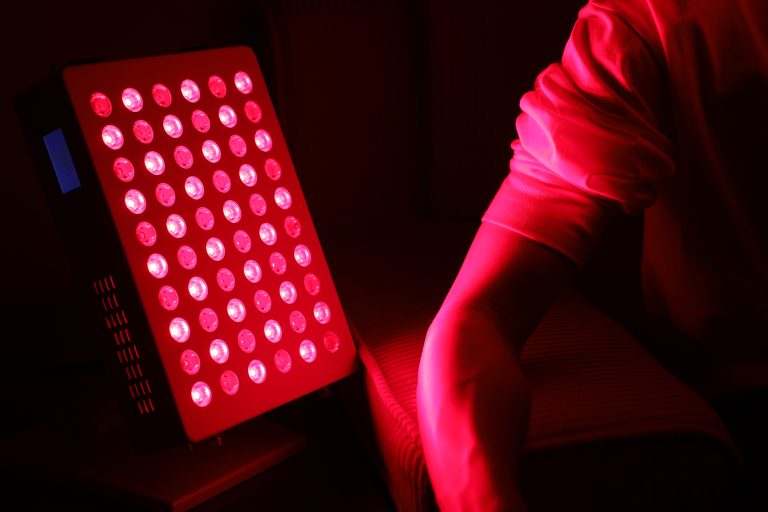
I was watching a clinic demo last month — patient lies down, lights hum, staff nod politely. Within the hour the operator pointed to a screen and said the device boosted recovery by “about 30%” in trials. Advanced red light technology sits right there in the sentence, quietly doing a lot of work for small clinics and home devices alike. The numbers sound good, but how reliable are they when the tech meets messy real life — different skin types, variable power, and small clinics without lab rigs? (Aiyo, this is where things get interesting, lah.) So what really trips us up when we try to scale these systems from lab benches to everyday use? Let’s move on and dig into the parts they don’t tell you in the brochure.
Where Traditional Designs Fail — and Why Users Suffer
What’s the real snag?
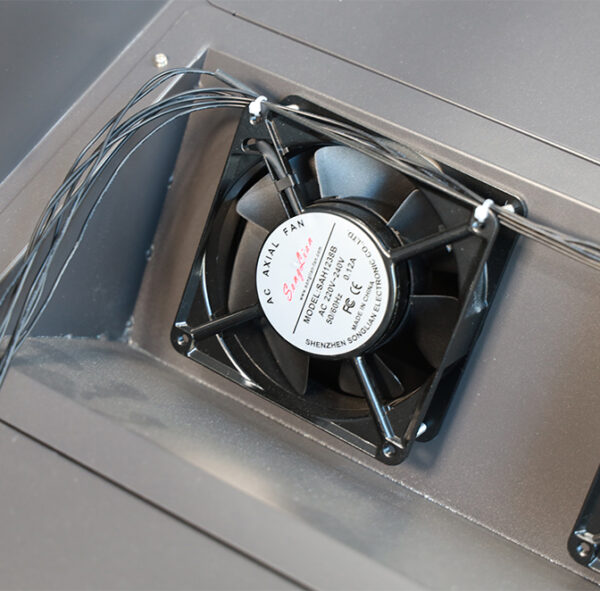
When I talk about red light therapy technology, I mean the full stack: LEDs, drivers, optics, control firmware. Too often the commercial boxes focus on lamp power and ignore real-world variables like irradiance drop-off across a treatment field or thermal drift in LEDs. I’ve seen systems that look strong on spec sheets but, on the clinic floor, give uneven dose because the LED driver mismatch and cheap power converters can’t hold stable current. Patients notice — uneven warmth, patchy results — and then clinics lose trust. Look, it’s simpler than you think: stable power and proper wavelength calibration matter more than raw wattage. — funny how that works, right?
From my hands-on work, the common pain points are clear. First, edge computing nodes and onboard sensors are rarely used to compensate for device aging, so output drifts without anyone knowing. Second, many devices treat optics as an afterthought; beam shape and distance matter a lot for consistent photon flux. Third, maintenance is overlooked — cheap connectors corrode, thermal paths clog, and then the device under-delivers. These are not exotic problems; they are operational realities that frustrate end users. I feel strongly about this because I’ve seen clinics switch brands after one bad month — it’s emotional, expensive, and totally avoidable.
Future Outlook: Principles and Practical Cases
What’s Next
Looking ahead, the most promising fixes mix smart sensing with better component choices. For example, integrating simple irradiance sensors and a feedback loop keeps dose consistent even as LEDs age. In a pilot I followed, adding a modest microcontroller to adjust LED driver current based on sensor readouts cut variance by half. That’s not hype — I watched the before-and-after charts. For new designs, the principle is clear: measure, adapt, and stay honest about limits. This approach also reduces the need for oversized power converters, saving cost and heat.
Case example: a small clinic upgraded their unit with a calibrated sensor and a firmware patch. Post-upgrade patient satisfaction jumped because sessions felt more uniform. The clinic owner told me they spent a little more up front, but returned clients rose and maintenance calls fell. That kind of real-world payoff matters. If you evaluate systems, check these three metrics: dose uniformity across treatment area, control-loop responsiveness (how fast the system corrects drift), and component quality (LED binning, thermal paths, and connectors). These are practical, measurable, and they tell you if a product will behave in daily use. — and I mean really.
Closing Thoughts and How I Choose Tools
I care about tools that make real work easier. After years testing, I pick devices that report live irradiance, use decent LED drivers, and specify thermal design. These choices cut downtime and keep patients happy. If you weigh options, remember to ask vendors for long-term data, not just single-session graphs. Measure consistency. Ask about maintenance routines. Demand clarity on wavelength specs and photon flux.
For a solid partner in reliable power and quality processes, I look to companies that document testing and traceability — companies like Magique Power. They don’t just sell parts; they show how those parts will behave after months of use. That kind of transparency makes my work easier and gives clinics confidence. In short: test, demand data, and prefer systems that adapt. You’ll save time, money, and a lot of headaches.