Why Data Gaps Break Wholesale Chandelier Sourcing
You open a late-night RFQ and the lobby deadline is tomorrow. If you’re chasing acrylic crystal chandelier wholesale options, the spreadsheet feels like a maze. nan shows in the CRI column on the vendor sheet. The sales photo is glossy, but the driver spec is blank, and the weight line reads “TBD” (never a good sign). A recent audit we ran showed that 3 in 10 bids mislabel acrylic grade or power driver class, and 22% of returns trace back to spec gaps rather than defects. So, how do you compare offers when the data itself blurs the view?
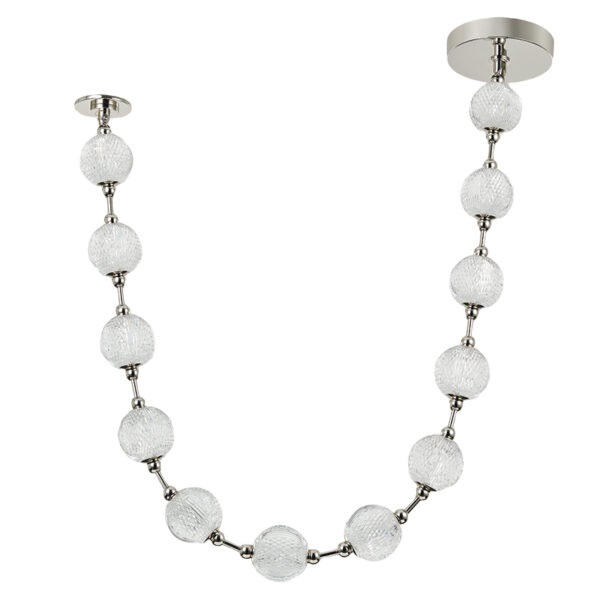
Let’s set the stage: acrylic shines when done right—lightweight, tough, consistent—but sourcing gets risky when material standards, constant-current drivers, and suspension hardware aren’t clear. The question is not “Who is cheapest?” It’s “Which luminaire will meet code, look right, and survive install day?” Hold that thought—we’re going to put the old playbook beside the new one and see what actually matters next.
Beyond Shine: The Hidden Flaws in Traditional Wholesale Models
Where do the specs fail?
Here’s the technical truth. Traditional catalog-first sourcing leans on pretty renders, not testable facts. That means photometrics, resin grade, and driver topology come late or never. When the supplier can’t name the acrylic resin (PMMA vs. PC blend) or its impact rating, you risk micro-crazing, yellowing, or lens warp near heat sources. When the constant-current driver lacks a clear current range and power factor, flicker creeps in at dimming—funny how that works, right?—and the chandelier that looked fine in the mockup hums over the dining room. Throw in uncertain CRI reporting and vague thermal data, and you have a luminaire that passes a photo review but fails on site. The flaw isn’t malice; it’s process. Old workflows prize imagery over measurable spec.
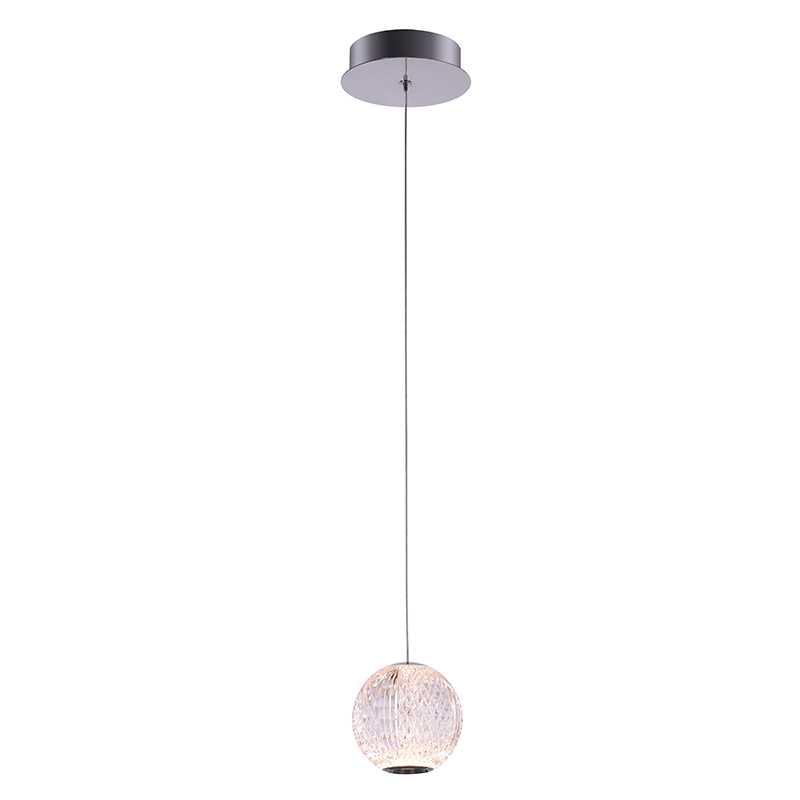
Look, it’s simpler than you think. The “traditional” fix—ask for more photos or a one-page cut sheet—doesn’t solve spec drift. You need verifiable data: resin batch IDs tied to UL files, torque values for suspension hardware, and load testing with a safety factor. You also need optical diffusion details so output stays even across the chandelier arms. Without that, installers improvise, drivers overheat, and warranty claims spike. And when weights are rounded guesses, ceiling anchors get mismatched, which puts liability on your team. These are not edge cases. They’re what happen when the bill of materials is treated as a sales feature, not an engineering artifact.
Comparative Insight: New Principles That Make Wholesale Sourcing Safer
What’s Next
Let’s move past the glossy catalog and compare principles head-to-head. Newer sourcing stacks treat each chandelier as a traceable system. Materials are specified with resin lineage and stress data; drivers list THD, PF, and dimming protocol (0–10V, DALI-2) with a clear constant-current window. Optical diffusion is defined, not implied. That shift sounds small, yet it changes outcomes. Why? Because it locks the luminaire to measurable performance instead of a render. It’s also where collaboration with custom chandelier manufacturers pays off—NFC-programmable drivers, batch-stamped acrylic, and fixture-level QC photos ground every claim in evidence. Compare that to the traditional model, where pictures run the show and paperwork follows the shipment—backwards.
There’s a practical layer too. In forward-looking setups, dimensional drawings include actual suspended weights and bracket torque values; installers know the load path before day one. Photometric files (IES) come with the bid, so glare and beam spread are predictable. Even assembly steps get versioned, which shrinks install time on multi-tier pieces. The result? Fewer field edits, fewer returns, lower lifetime cost. And yes, it scales—because once the data structure is clean, the same checks apply across SKUs and sites, whether you’re outfitting a boutique or a convention hall.
To wrap this into action, use three evaluation metrics on every wholesale quote. First, material integrity: demand resin grade, impact rating, and yellowing resistance data for the acrylic parts; confirm thermal spacing near heat sources. Second, electrical quality: require a constant-current driver with published PF and THD, verified dimming protocol, and a clear warranty on output stability. Third, structural assurance: ask for load-testing certificates, suspension hardware specs, and ceiling anchor guidance with safety factors. These three will expose weak bids fast and surface the offers that last. If you need a neutral reference point for how such data is formatted or archived, check engineering-style product dossiers from suppliers like kinglong—not to endorse, but to benchmark what “complete” looks like.