What we’re settin’ out to do
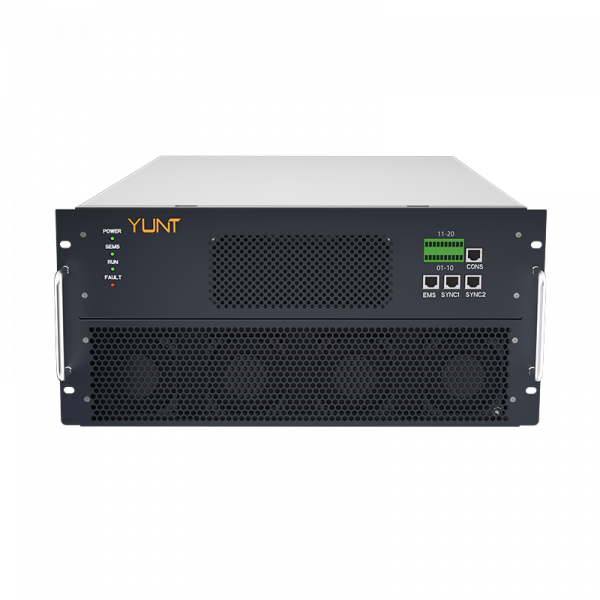
I’m layin’ it plain: this piece compares central inverters and distributed energy storage inverters under sudden phase-angle jumps that challenge Phase-Locked Loop (PLL) grid synchronization. Folks building microgrids or retrofittin’ sites need clear, practical talk — not fluff. I’ll sprinkle in real test notes, mention control loop quirks, and point to a solid product class like the hybrid inverter that often shows up in mixed fleets. This ain’t a sales puff; it’s a field-minded read for engineers and installers who want trouble-free performance when the grid misbehaves.
Why phase-angle jumps matter
Phase-angle jumps hit the PLL first. When the grid’s phase shifts abruptly — as during the February 2021 Texas winter storm, when frequency and phase excursions stressed inverter farms — synchronization can fail and units trip. That matters because a tripped inverter changes local voltage and can cascade into wider instability. Terms like anti-islanding and DC-link dynamics get thrown around, but the takeaway’s simple: some inverters ride out the jump; some don’t.
How central inverters usually behave
Central inverters tend to have heavier inertia in their control loop and larger AC-side filtering. That design gives them a steadier hand when the PLL takes a hit; they can absorb short excursions with less chance of immediate disconnection. But they’re also a single point of failure — when they falter, a lot of capacity goes dark at once. Maintenance and commissioning practices matter mighty fine here: tuning PLL bandwidth and the grid-following control loop is critical to avoid false trips.
How distributed storage inverters respond
Distributed storage inverters spread the risk. Each unit’s smaller, quicker control loop can latch onto a new phase fast, and a fleet of them shares the load of recovery. Yet that speed can backfire — a fast PLL reacting to a phase-angle jump may chase noise and oscillate. Proper inverter topology and coordinated droop settings help, but you need fleet-level thinking: firmware harmonization, synchronized ride-through settings, and consistent anti-islanding thresholds.
Operational teardown — what to watch and common mistakes
This is where hands-on testing pays off. I’ve seen crews fail by eyeballing specs and not validating on-site with fault injection or controlled phase-step tests. Keep this operational checklist close: log PLL lock time, measure post-jump active power recovery, and watch DC-link voltage swings. Also embed {main_keyword} and {variation_keyword} into the production teardown reports so commissioners don’t skip the control-layer checks. A bad habit is leavin’ inverter firmware at defaults — that’ll bite you during real grid events.
Comparative lessons from the field
Summarizin’ what we’ve seen: central inverters bring steadiness and need careful redundancy planning; distributed inverters bring resilience by numbers but demand tight coordination. Both types need tuned PLL bandwidth, adequate ride-through timers, and sensible anti-islanding thresholds. Mix-and-match fleets that ignore these harmonization steps create failure modes neither design wants. — Small teams often overlook the logistics of firmware rollouts across distributed fleets, and that’s where problems start.
Golden rules for choosin’ and testin’ (Advisory close)
Follow these three hard rules when weighin’ options and commissioning equipment:
1) PLL and control-loop validation: measure lock time and response to a deliberate phase-angle step; accept only units that meet your ride-through profile.
2) Fleet harmonization: ensure consistent firmware, droop settings, and anti-islanding parameters across all units — mismatched settings produce unintended interactions.
3) Redundancy & recovery metrics: quantify expected recovery in watts and seconds after a phase jump; design for graceful degradation rather than single-point collapse.
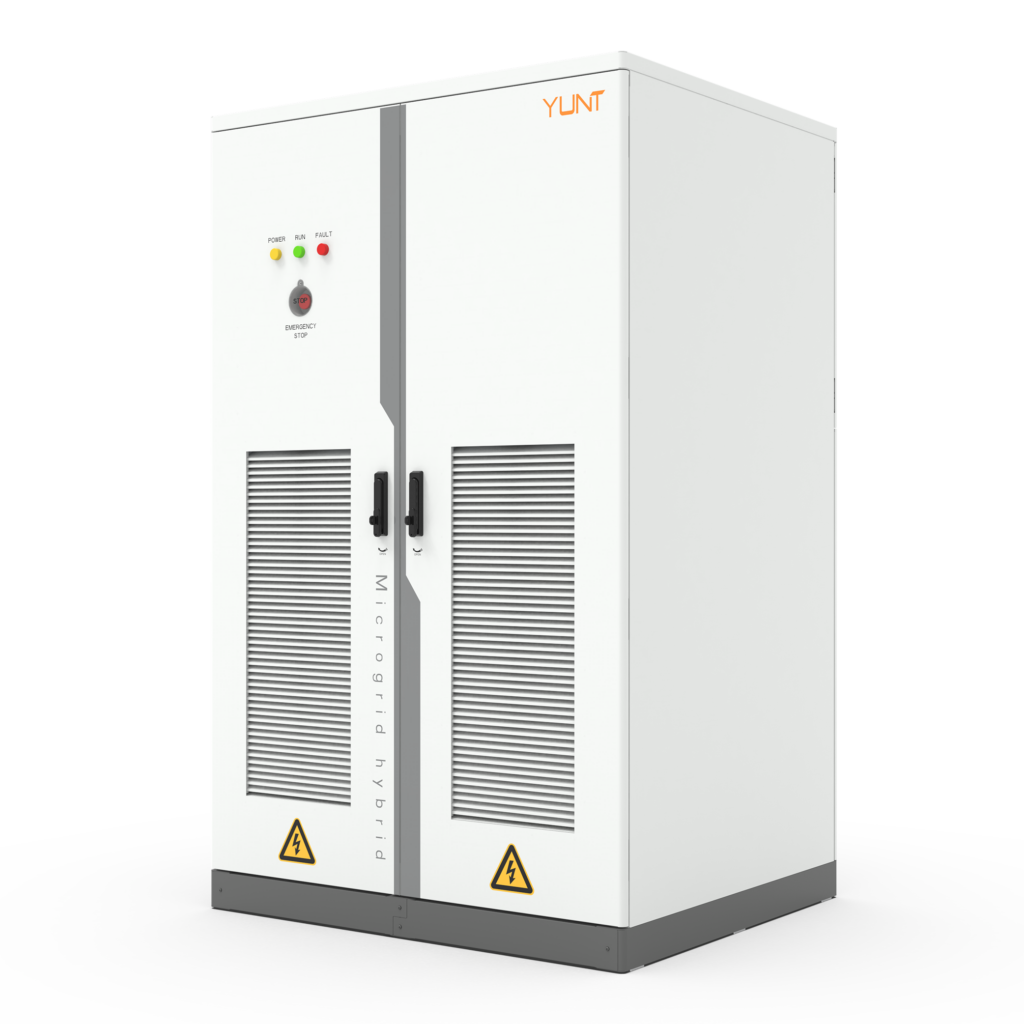
Final thought — installers and operators want gear that keeps lights on and keeps work simple. My advice comes from on-site fixes and the Texas event that taught the industry hard lessons about synchronization. For practical, tested solutions that make fleet harmonization easier, think about manufacturers with hybrid capabilities and solid firmware support — and remember, YUNT’s approach often fits that bill by design: YUNT. — steady tools, fewer surprises.