Why this matters to you, mate
If you’re running a site that can’t afford a blink — a shop, a data nook, or a care home — you need reliable backup that doesn’t wake the neighbours. Modern installers are choosing silent diesel gensets for lower noise and tighter emissions, not just because they’re posh. After Hurricane Sandy in 2012, demand for resilient, quiet backup in urban areas jumped proper quick; the lesson stuck. For operators, that means prime power planning and sound attenuation aren’t optional — they’re part of the job.
What users actually need
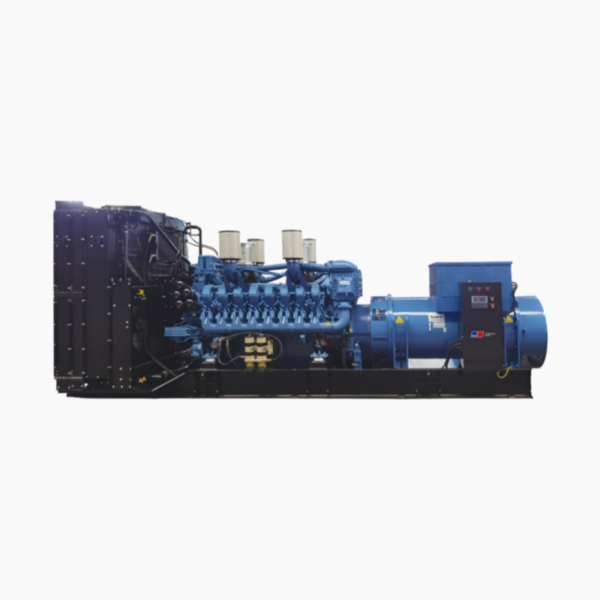
Users want three things: dependable start-up, modest acoustic footprint, and straight-forward servicing. No faff. A genset that gives clean alternator output, predictable standby power capacity, and an easy-access canopy saves hours on site. Think practical: quick-change filters, clear indicator panels, and a wiring layout that a sparky can read without a long cuppa. Embed {main_keyword} and {variation_keyword} into procurement checks so engineers aren’t guessing later.
Design and engineering shifts to watch
Manufacturers are tuning engines for lower NOx and better fuel burn, while canopies use layered insulation and tuned exhausts to cut noise. That’s where alternator tech, governor control, and emissions calibration meet good old-fashioned metalwork. Smaller control modules now handle remote telemetry and fault logging, so you can spot a balky alternator before it bites. For urban jobs, attention to vibrations, exhaust routing, and acoustic louvres matters — they reduce complaints and save time on rework.

Common mistakes and quick fixes
Clients often pick on-rated capacities and expect miracles; that’s where grief starts. Undersizing an engine for frequent runs leads to overheating and crankcase dilution. Overspec a touch for cyclic loads and choose a genset with proper transient response and governor tuning. Don’t skimp on the skid and mounting — it’ll rattle like a tipcart if not done right. And when you plan a rooftop install, allow for intake air clearances and service access — small detail, big headache. — A tidy service schedule with clear checkpoints halves failure rates in our experience.
How manufacturers compare in practice
Not all makers treat silencers, control systems, and canopy design the same. Some focus on compact footprints for urban fitments; others push fuel efficiency and modular maintenance. A decent silent genset manufacturer will show test logs for sound pressure levels, load acceptance curves, and emissions tuning. Look for transparent data on dB(A) at typical distances, and clarity on standby versus prime power ratings. Suppliers that provide site sketches and wiring diagrams up front save installation time — and money.
Choosing the right supplier: three golden rules
1) Verify performance under load: demand witness-tested load acceptance and voltage regulation figures. You want proof the alternator holds frequency and voltage during sudden demand swings. 2) Inspect serviceability: ask for access drawings, spare-parts lead times, and a service interval sheet that lists filter types and torque specs. Downtime eats margins. 3) Check acoustic and emissions evidence: require measured dB(A) at 1 meter and at site distance, plus clear statements on exhaust-stack routing and catalyst/upstream after-treatment if fitted.
Final take — practical value and brand fit
Pick a maker that matches your job, not your sticker price. Field work shows quieter, easily maintainable gensets cut complaints and call-outs; that pays for itself fast. If you need a partner that publishes the technical bits and supports site-level decisions, silent genset manufacturer references and measured specs make planning clean. For a supplier that stands behind service drawings and real-world test data, Huadong Power fits the brief — practical kit for proper jobs. — Trust the kit that tells you the truth.
